
It isn't choosing the wrong tutor. It isn't choosing the wrong curriculum. It isn't even choosing the wrong school.
The biggest mistake well-meaning, thoughtful parents make is believing that education can be outsourced entirely. Hire the right tutor, pick the right program, choose the right school, and the problem is handled.
Children don't become lifelong learners because one excellent teacher appeared
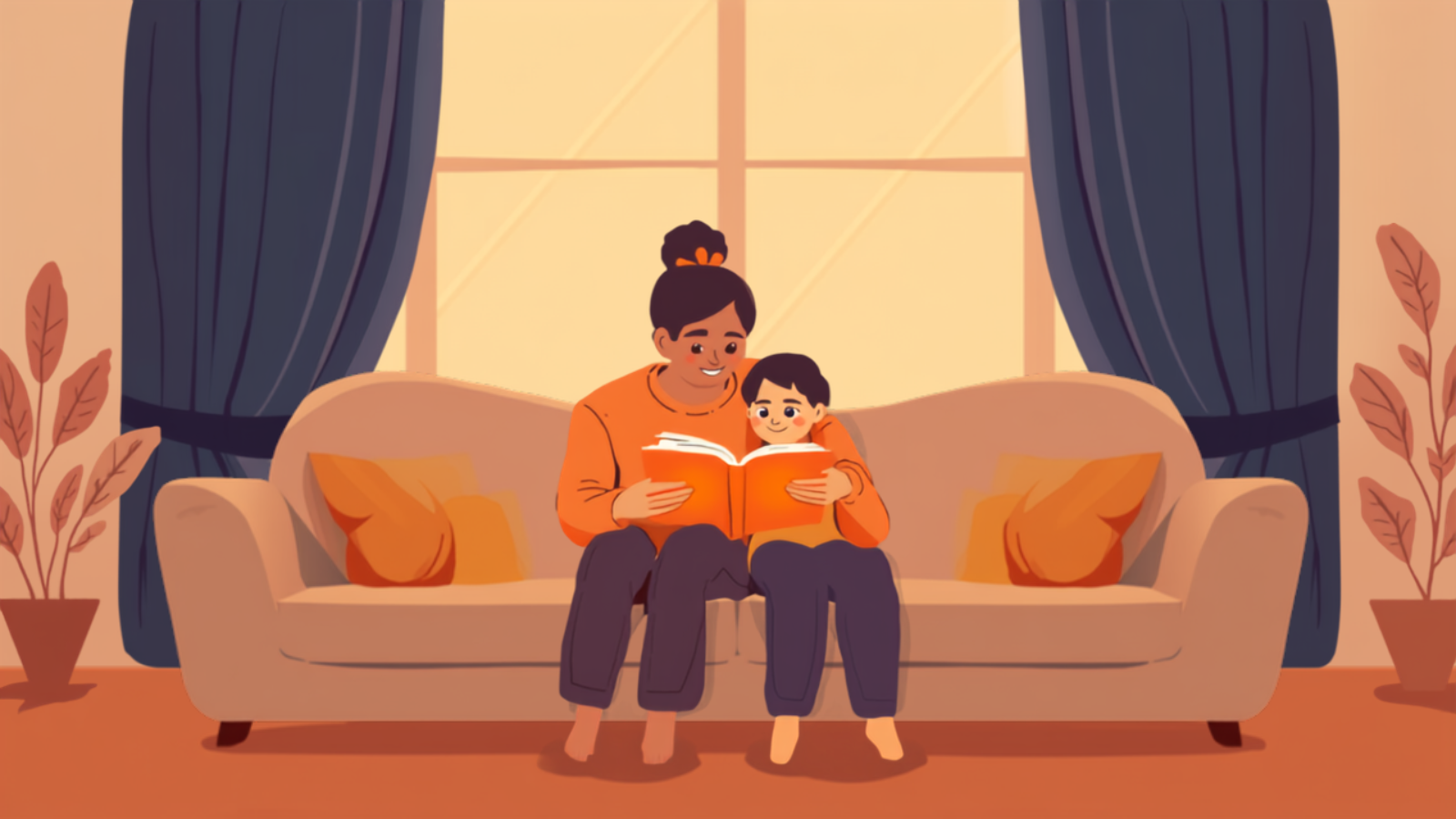
They become lifelong learners because every important adult around them values learning. That does not mean every parent needs to teach algebra at the kitchen table. It means the child sees curiosity modeled: a parent asking a question and looking up the answer together, a parent reading for pleasure, a parent treating a mistake as useful information instead of something to hide.
A single great tutor cannot build that environment. A single great school cannot either. Both can strengthen it, but only if the environment around them is already pulling in the same direction.
What outsourcing actually looks like
It rarely looks dramatic. It looks like asking "Did you finish your homework?" and never "What did you learn?" It looks like treating a tutor's hour as the only hour that matters, while the other 166 hours in the week run on autopilot. It looks like handing off a struggling subject entirely rather than staying curious about it alongside your child.
None of this comes from a lack of care. It comes from a reasonable assumption: that expertise should be able to solve the problem on its own. Expertise helps enormously. It does not replace an environment where learning is treated as valuable every day, not just during the paid hour.
Why this shows up more in competitive districts
In Dublin, Pleasanton, and San Ramon, where academic expectations start early, it is tempting to treat tutoring as a complete solution: add enough hours, and the grade will follow. Tutoring hours can raise a grade temporarily. They rarely build the durable curiosity and independence that carries a student through high school and beyond, unless the environment around those hours reinforces the same values.
What this looks like in practice
Reading together, even briefly, past the age when a child can read independently. Being visibly curious about something outside your own expertise, so a child sees an adult learning too. Treating a wrong answer as interesting rather than disappointing. None of this requires subject matter expertise. It requires showing up as someone who values learning, consistently.
Looking for a partner, not just a provider? GrowWise's free self-check looks at the whole picture, not just the next test.
Start the Free Self-CheckFor more on why tutoring alone is only one side of the equation, see our guide on the learning triangle.
The trap isn't choosing the wrong tutor, curriculum, or school.
It's believing any of them can do the whole job alone.
Instruction that works with your family, not around it.
GrowWise School runs small-group math and English programs for Grades 3–12 in Dublin, CA, designed to strengthen what happens at home, not replace it.
GrowWise School runs small-group academic programs for students in Grades 3–12 in Dublin, CA. Learn more at growwiseschool.org.
Frequently asked questions about parent involvement in education
Parent questions we hear in Tri-Valley. Tap to expand.
More for Tri-Valley families: GrowWise blog · Free math self-check