
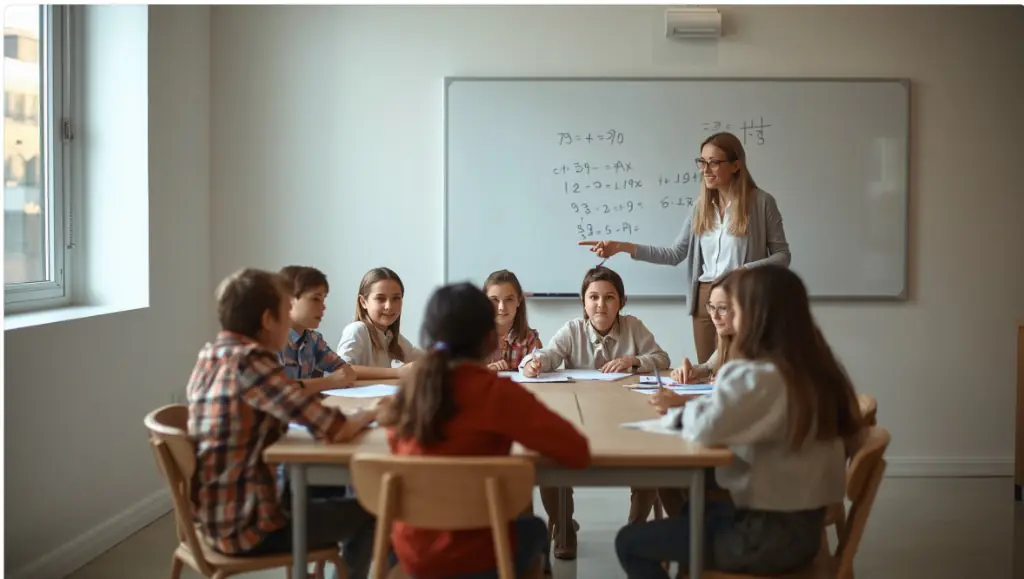
Grades 1 and 2 are a critical window for reading. By the end of Grade 2, students are expected to move from sounding out words slowly toward reading with enough fluency that comprehension can take over.
Why do early reading gaps matter?
Starting in Grade 3, schoolwork assumes students can read independently. Science passages, social studies texts, math word problems, and directions all require reading fluency. A child who is still decoding every word may start falling behind in subjects that do not look like reading at first.
Is it a reading delay or a reading gap?
A delay means the student is progressing through the normal sequence, just more slowly. A gap means a specific skill is missing and blocking progress. Common early reading gaps include phonemic awareness, phonics, sight word fluency, oral reading fluency, and basic comprehension.
At home, listen for guessing, skipped words, choppy reading, frustration, or weak recall after a short passage. Those are signals to investigate, not reasons to panic.
Why is home reading alone sometimes not enough?
Reading with your child builds vocabulary, background knowledge, and love of stories. That matters. But a child with a specific decoding or fluency gap often needs explicit instruction, immediate correction, and a sequence that targets the missing skill.
What does structured reading support look like?
A strong session may include phonemic awareness warm-ups, phonics instruction, decodable text practice, sight word work, and a short comprehension check. The goal is not just more reading time. The goal is reading instruction with feedback.
Families can start with a reading assessment or review the summer reading and writing sprint.
Check Reading Readiness
A focused assessment can show whether the gap is phonics, fluency, comprehension, or confidence.