
Not all coding programs are equal — and the differences matter more as your child gets older. A program that works at age 8 (block coding, visual logic) may not be preparing a 12-year-old for the skills that matter in high school and beyond.
Here are five criteria to use when evaluating any coding school for your child.
Criterion 1 — Age fit and starting language
For children under 10, Scratch (or Scratch Jr.) is the standard starting point. Scratch uses visual, drag-and-drop blocks to teach sequencing, loops, and conditionals without requiring syntax knowledge. It's well-designed for early logical thinking.
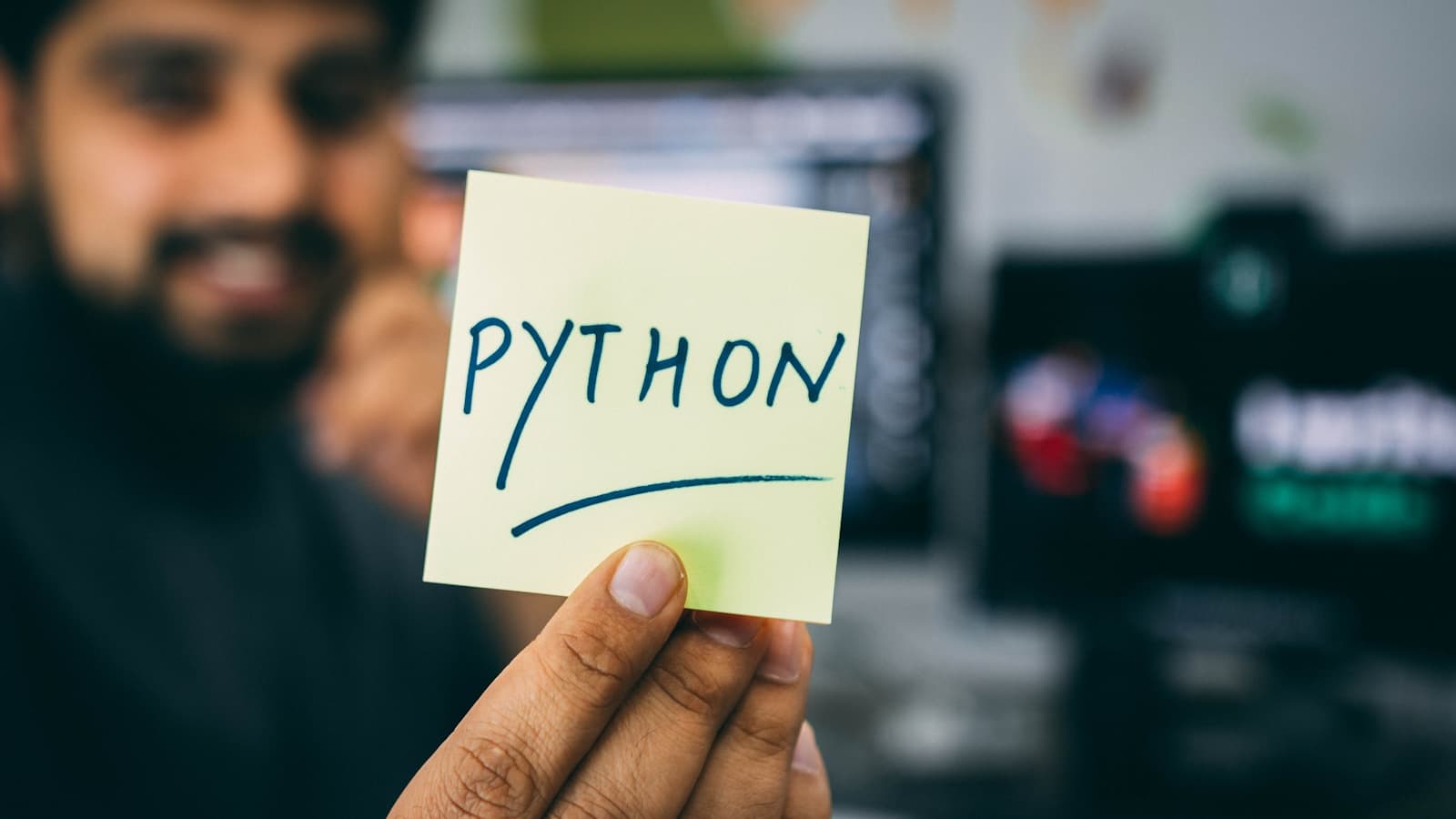
For children 10 and older, the right starting language is Python. Python is readable, widely used, and directly applicable to data science, AI, and software development. Programs that keep older students on Scratch-style block coding past age 10 are not preparing them for the next level.
GrowWise starts Python instruction from age 10, with Scratch available for younger learners who want an introduction to programming logic.
Criterion 2 — Text-based coding vs. block coding
Block coding (Scratch, Blockly, similar tools) is excellent for ages 7–10. But a student who is still exclusively using block coding at age 12 or 13 has not developed the skills needed for real programming environments.
Text-based coding introduces syntax, debugging, data types, functions, and the discipline of writing exact instructions. These skills are directly transferable to Python, JavaScript, Java, and other professional languages. Ask any coding school: "At what point do students transition from block coding to text-based code?" A good program has a clear answer.
Criterion 3 — Real project output
A strong coding program produces something the student can show: a game they built, a data analysis script, a web app, a Python project. If a program cannot show you examples of what students have created — not what exercises they completed — that is a signal that the curriculum is practice-heavy and project-light.
Project-based learning is more motivating and produces deeper understanding. Students who have built something real are significantly better prepared for coding interviews, college applications, and portfolio-building in high school.
Criterion 4 — Certification pathway
For students 10 and older who want a credential, Certiport offers the PCEP (Python Certified Entry Professional) certification through the Python Institute. This is a recognized certification that demonstrates foundational Python competency — it can appear on a high school resume and in college applications.
Not all coding programs prepare students toward certifications. GrowWise structures its Python curriculum with certification readiness in mind, so students who complete the program have a clear pathway to a recognized credential.
Criterion 5 — What the next level looks like
Before enrolling, ask: "What happens after this course?" A well-designed coding program has a progression: Scratch → Python basics → Python intermediate → AI/ML fundamentals → advanced projects. If a program only offers one course level with no clear next step, students will plateau.
GrowWise offers a full progression through Scratch, Python, and AI/ML coding programs, with each level building on the previous one. Students who complete the sequence are ready for certification and advanced coursework.
To see which level is the right starting point for your child, book a free assessment. We'll identify the appropriate entry point and explain the progression from there.
Ready to enroll? Book an assessment →
Want to see what a coding curriculum looks like?
GrowWise offers structured coding programs from Scratch through Python and AI — with a clear progression path and real project output.